UTIs are a global healthcare failure.
Urinary Tract Infections are a widespread healthcare challenge, but current diagnostic pathways are slow, uncertain and imprecise.
Llusern is focused on bringing rapid molecular UTI testing closer to the patient, helping professional users access clearer diagnostic results sooner.
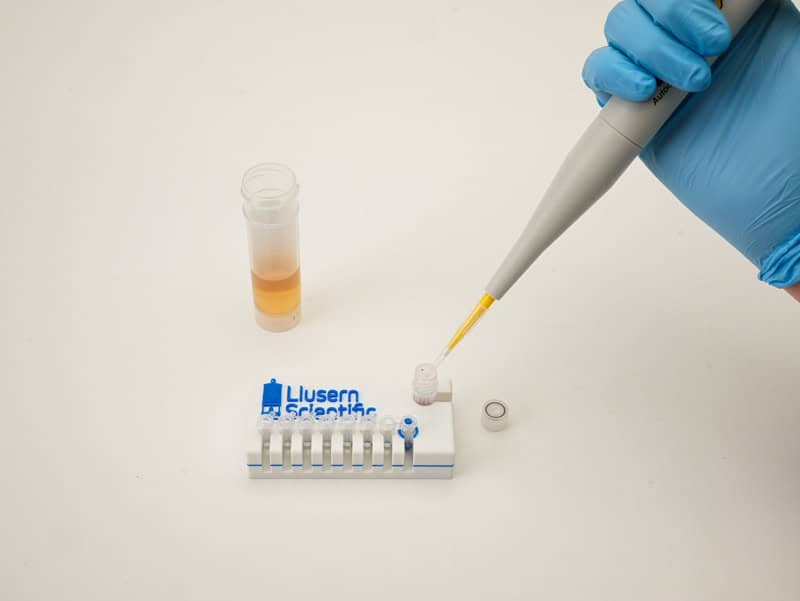

UTI diagnosis needs a better answer
Urinary Tract Infections are one of the most common bacterial infections worldwide. Yet in many settings, treatment decisions are still made before clear diagnostic information is available. This creates uncertainty for professional users, pressure on healthcare systems but also a need for faster, more accessible testing.
- Common and recurring diagnostic need
- Often assessed before confirmed results are available
- Relevant across multiple healthcare settings
- Closely linked to prescribing decisions and the increase in antimicrobial resistance (AMR)
- Suitable for a focused near-patient testing approach
Current pathways can leave too much uncertainty
In its Early Value Assessment (EVA) of Point of Care tests for urinary tract infections (published 4 May 2023) NICE noted that UTI diagnostics consist of a combination of clinical symptoms, dipstick tests and laboratory culture.
The EVA described the limitations of each of these:
Clinical symptoms
Patient symptoms are not always clear, especially in older or more complex patients.
Dipsticks
Dipsticks can support assessment, but they do not always provide the clarity needed for confident decision-making. Dipsticks are not recommended for use in those over 65 years of age or those with complex infections.
Laboratory culture
Laboratory culture remains important, but it is slow and centralised with results taking between 24 and 72 hours. Mixed and complicated samples often lead to incorrect diagnosis. Culture is also ineffective in identifying bacteria held in biofilms. Some bacteria, such as pseudomonas, are often found in biofilms which prevent them from growing on a culture plate.
Better information can support better prescribing
Antibiotic stewardship depends on having better diagnostic information at the right time. When professional users can identify whether key UTI-causing bacteria are present sooner they can make better treatment decisions.
Lodestar DX is designed to support this need by bringing molecular UTI testing into near-patient professional settings.
- Compact, lightweight and portable
- Better-informed prescribing
- More practical testing closer to the decision point
- Supports better antibiotic stewardship to help reduce the AMR burden
- Reduced reliance on delayed and absent information, particularly for biofilms and contaminated samples
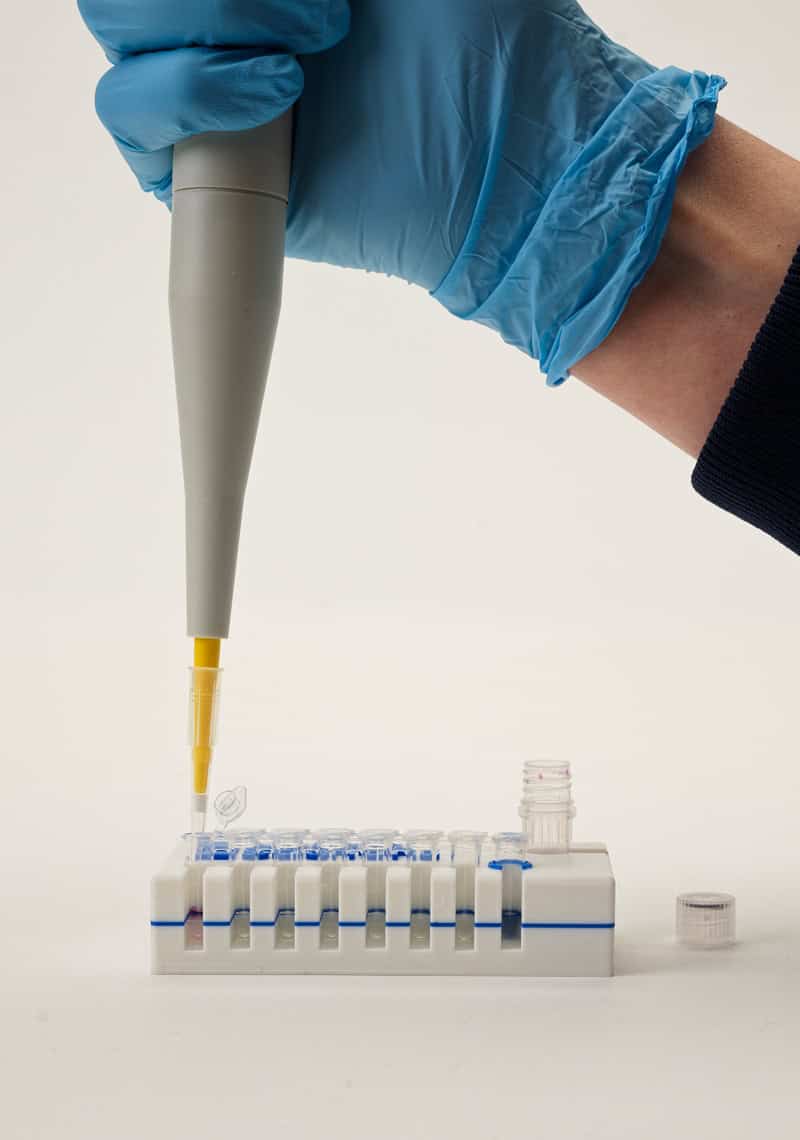
UTI diagnosis needs a faster answer
UTI is a common diagnostic challenge, but testing is slow, often uncertain or dependent on prescribed central laboratory workflows. This often leaves treatment decisions being made before clear diagnostic information is available.
Llusern is focused on bringing rapid molecular testing into real-world professional settings, where clearer information can support better decision-making.
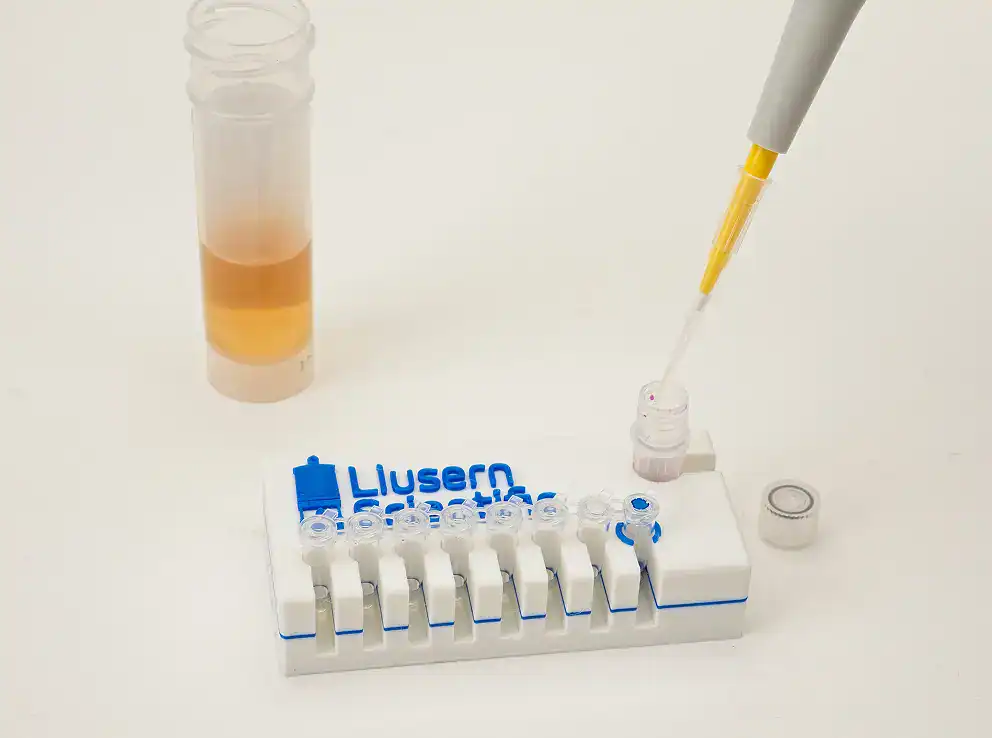
Why this matters now
Healthcare systems are under pressure in terms of demand for services and the cost for those services. Hospitals, clinics and GPs need to make faster, better-informed decisions while using resources carefully.
This is where Lodestar DX can make a difference. There is growing move towards lab-accurate diagnostics that are simple to use and can be performed closer to the patient.
There is a clear opportunity for practical near-patient UTI testing.
- Pressure to reduce GP appointments and hospital admissions
- Demand for faster diagnostic information
- Increased focus on antibiotic stewardship
- Recognistion from NICE that UTI testing needs more effcient pathways
- Challenges in elderly care, chronic UTI and pre-operative testing
- Growth in decentralised and near-patient testing
The opportunity for Llusern Scientifc
Llusern is starting with a clear first use case: rapid UTI testing.
Lodestar DX is a portable molecular UTI testing system designed for near-patient use by professional users. It gives Llusern a focused product opportunity in a recurring diagnostic area, with broader platform potential over time.
- Broader platform potential
- High-volume diagnostic need
- Designed for real-world healthcare settings
- Device-plus-consumables opportunity
- Clear first product focus
- Near-patient molecular testing

From problem to practical product
The need is clear: faster diagnostic information delivered closer to the patient.
Llusern’s response is the Lodestar UTI testing system – a portable molecular testing system designed to support faster, better-informed treatment decisions in professional settings.
Testimonials
Lodestar DX represents an important step in making molecular UTI testing practical at the point where treatment decisions are made.
By bringing clearer diagnostic information closer to the patient, it can support faster, better-informed decisions in real-world professional settings.
As a spinal injury patient, new symptoms feel overwhelming. Lodestar gave me instant peace of mind. I drove two hours to Reading just to avoid the usual three day wait for culture results. It is brilliant.
For months, my NHS results came back as ‘mixed growth’ or ‘no significant growth’, which basically left me with no treatment plan and I felt fobbed off; it was such a waste of everyone’s time.
The Lodestar machine identified the specific three bacteria immediately. I wish I’d come here sooner; it’s the first time I’ve had a definitive answer and I’ve felt empowered.
News & Insights
- Articles
- Clinical Studies
- Articles
- Awards
Care home feasibility study shows Lodestar’s impact on resident treatment
Llusern announce two exciting commercial partnerships to improve UTI diagnosis
Llusern bags a hat-trick at ICS 2026.
Start a conversation with Llusern
Llusern is developing treatment-directing diagnostics for high-volume healthcare challenges, starting with rapid molecular UTI testing. To learn more about the company, the product and the opportunity ahead, speak to the Llusern team.